


Quality challenge
Proof over packaging. Assay over hype.
Mr Pep publishes an open stance: if a vendor claims milligrams in a multi-peptide blend, they should be able to show independent lab data — stamped, sequenced, and ratio-correct. Convenience blends that ignore pharmacokinetics are not “advanced.” They are often confused science.
01
Timing mismatch
TB-500 research commonly uses multi-day intervals. BPC-157 is often studied daily. A mixed vial locks both calendars. If the timeline is wrong, the blend is theater.
02
Cost ratio games
When one component costs several times more than another, a blend can list both names while the expensive peptide is the minority. GHK-Cu is often far cheaper than recovery actives — easy filler in a “premium” glow mix.
03
Label vs lab
Marketing cards are not certificates of analysis. Independent assay data — identity, purity, relative content — is the only serious language.
04
No medical storefront
This site does not sell peptides. It documents research integrity so buyers and labs can ask harder questions of anyone who does. Research use only. No treatment claims.
Product integrity
Why Glow and Wolverine stay off this catalog
We do not sell those blends. Glow is usually GHK-Cu + BPC-157 + TB-500 in one vial. Wolverine is usually BPC-157 + TB-500. Mixing locks daily versus weekly (Thursday) research schedules.
Wolverine is not one molecule: some vials are a short TB-500 fragment, some are full thymosin beta-4. Same name, different thing. We list the singles.
Read the quality challenge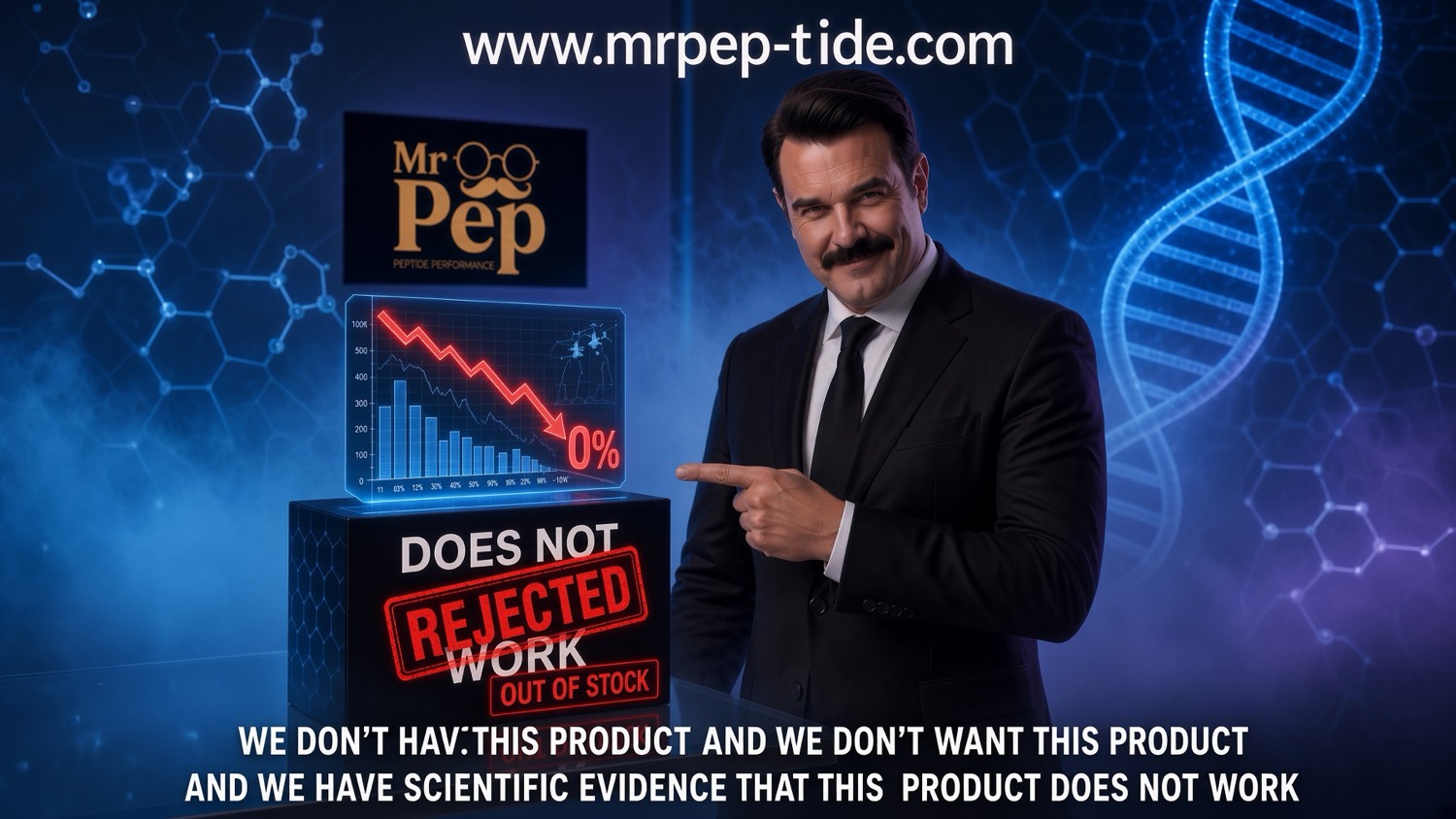
Our challenge
Bring better lab data. We will update. Integrity is a conversation with numbers, not slogans. Until then, treat pre-mix milligram claims with scientific skepticism. We list BPC-157, TB-500, and GHK-Cu as separate entries so you know what is in the pen.
Review single-compound profiles